
This manual, dated December 2016, provides essential guidance for the 2017 Ford Escape SE owner, detailing features and operation.
Overview of the 2017 Ford Escape SE
The 2017 Ford Escape SE represents a versatile and popular choice within the Escape lineup, positioned between the base ‘S’ trim and the more luxurious ‘Titanium’ model. As indicated by owner’s manual documentation from December 2016, and subsequent printings, this vehicle caters to drivers seeking a balance of features, performance, and value. The Escape SE offers a comfortable interior and a range of technology options.
Information suggests potential software update issues, particularly concerning USB connectivity (Hewlett-Packard drivers dated February 10, 2017, experiencing installation errors – 0x80070103). Owners may encounter challenges with Google Play services or Microsoft Visual C++ runtime errors when utilizing various applications, including Steam for gaming. Understanding these potential issues is crucial for a smooth ownership experience.
Importance of the Owner’s Manual
Your 2017 Ford Escape SE owner’s manual, as evidenced by the December 2016 publication, is a vital resource for maximizing your vehicle’s potential and ensuring safe operation. It details everything from routine maintenance – like fluid checks – to understanding complex systems such as the Anti-Lock Braking System (ABS) and airbag functionality.
Given reported issues with USB connectivity, software updates (including potential errors with Microsoft Visual C++), and SMS reception on connected devices, the manual provides troubleshooting guidance. Addressing these common problems, as highlighted in online forums, becomes easier with the manual’s instructions. Familiarizing yourself with its contents can prevent costly repairs and enhance your overall driving experience, especially considering potential compatibility concerns with devices like Samsung J5 phones.
Understanding the 2017 Ford Escape SE Features
The 2017 Escape SE, available in S, SE, and Titanium trims, boasts a range of features detailed in the owner’s manual for optimal use.
Engine Specifications and Performance
The 2017 Ford Escape SE typically features a 2.5L Duratec inline-4 engine, delivering a balance of power and efficiency for daily driving needs. This engine generally produces around 168 horsepower and 170 lb-ft of torque, providing adequate acceleration and responsiveness; However, optional engine upgrades were available, potentially including a 1.5L EcoBoost or a 2.0L EcoBoost engine for increased performance.
Performance characteristics are influenced by factors like drivetrain (FWD or AWD) and selected driving mode. The manual details expected fuel economy figures, which vary based on engine choice and driving conditions. Owners should consult the manual for specific engine details pertaining to their vehicle, as configurations could differ. Understanding these specifications is crucial for maximizing the Escape SE’s capabilities and ensuring optimal maintenance.
Transmission – Manual Operation Details
It’s important to note that the 2017 Ford Escape SE was not typically offered with a manual transmission. The standard transmission was a 6-speed automatic. However, should a rare, aftermarket manual conversion exist, this section would detail proper shifting techniques. This includes smooth clutch engagement, precise gear selection, and avoiding abrupt shifts to prolong component life.

The manual would emphasize the importance of downshifting for engine braking and maintaining control during descents. It would also cover procedures for starting on inclines and avoiding rollback. Proper manual transmission operation requires coordination and understanding of the vehicle’s powerband. Since the original vehicle did not come with a manual transmission, any modifications would void warranty coverage related to the drivetrain.
Interior Features and Controls
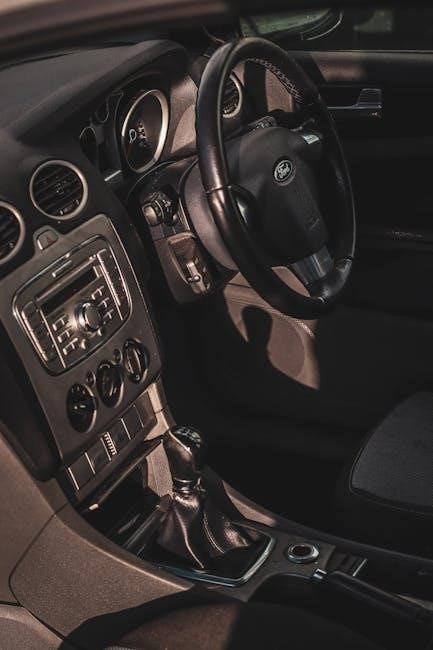
The 2017 Ford Escape SE’s interior features a functional design focused on comfort and convenience. Controls for the audio system, climate control, and other vehicle functions are logically arranged on the center stack and steering wheel. The manual details operation of the SYNC infotainment system, including Bluetooth pairing for hands-free calling and audio streaming.
It explains the use of steering wheel-mounted controls for audio, cruise control, and voice commands. The manual also covers adjustments for seats, mirrors, and the steering column to achieve optimal driving position. Information on interior lighting, storage compartments, and the operation of power windows and door locks are included. Troubleshooting common issues like USB connectivity problems are also addressed within this section.
Exterior Features and Lighting
The 2017 Ford Escape SE boasts a stylish exterior with practical features. The owner’s manual provides detailed information on the operation of exterior lighting, including headlights, taillights, turn signals, and fog lamps. It explains how to adjust headlight aim for optimal visibility and covers the use of automatic headlights.
The manual also details the function of exterior mirrors, including power adjustment and defroster features. Information on the windshield wipers, washers, and rear window defroster is included, along with instructions for proper operation and maintenance. Troubleshooting related to lighting malfunctions, potentially linked to system errors, is briefly touched upon. The manual also covers the operation of the liftgate and any associated features, ensuring owners understand all exterior components.
Operating the 2017 Ford Escape SE
This section details starting, stopping, driving modes, shifting techniques for the manual transmission, and essential fueling/fluid check procedures.
Starting and Stopping the Engine
Starting the 2017 Ford Escape SE requires ensuring the parking brake is engaged and the transmission is in neutral. Depress the clutch pedal fully before turning the ignition key to the ‘start’ position. Release the key once the engine ignites.
To stop the engine, bring the vehicle to a complete halt, shift the transmission into neutral, and engage the parking brake. Turn the ignition key to the ‘off’ position. Always ensure the vehicle is securely parked before exiting.
Be mindful of potential stalls during initial operation of the manual transmission. Smooth clutch engagement and coordinated throttle input are crucial for a seamless start and stop experience.
Driving Modes and System Selection
The 2017 Ford Escape SE, equipped with a manual transmission, doesn’t feature selectable driving modes in the same way as automatic variants. However, drivers control the driving experience directly through gear selection and throttle modulation.
System selection primarily revolves around utilizing the vehicle’s features like the audio system, climate control, and connectivity options. These are managed via controls on the dashboard and steering wheel.
Drivers should familiarize themselves with the location and operation of these controls for optimal in-cabin experience. Understanding the manual transmission’s gear ratios allows for efficient power delivery and fuel economy based on driving conditions.
Manual Transmission Shifting Techniques
Mastering the 2017 Ford Escape SE’s manual transmission requires smooth clutch engagement and precise gear selection. Depress the clutch fully before shifting, moving the gear lever into the desired position with a deliberate motion.
Release the clutch gradually while simultaneously applying throttle to avoid stalling or jerky movements; Downshifting should be performed to match engine speed with road speed, preventing abrupt deceleration.
Heel-toe downshifting, an advanced technique, can provide smoother transitions, but isn’t essential for everyday driving. Avoid riding the clutch, as this causes premature wear. Practice makes perfect – familiarize yourself with the transmission’s feel for optimal control.
Fueling and Fluid Checks
The 2017 Ford Escape SE requires unleaded gasoline with an octane rating of 87. Always consult the owner’s manual for specific fuel capacity details. Regularly check engine oil levels using the dipstick, ensuring it falls between the minimum and maximum marks.
Inspect coolant levels in the reservoir when the engine is cold, adding a 50/50 mix of coolant and distilled water if needed. Brake fluid levels should also be checked periodically, noting any significant drops which may indicate a leak.
Power steering fluid and windshield washer fluid levels should be maintained for optimal vehicle operation. Refer to the manual for fluid specifications and proper filling procedures.
Maintenance and Care
Consistent maintenance, including scheduled intervals and fluid checks, is crucial for the longevity and reliable performance of your 2017 Ford Escape SE.
Scheduled Maintenance Intervals
Maintaining your 2017 Ford Escape SE requires adherence to a specific schedule to ensure optimal performance and longevity. Regular inspections and services are vital. Every 7,500 miles (or six months), an oil and filter change is recommended, alongside tire rotation and a comprehensive vehicle inspection.
At 15,000 miles, add to the previous services a cabin air filter replacement. By 30,000 miles, consider replacing the engine air filter and inspecting brake pads. Further intervals at 60,000 and 100,000 miles necessitate more extensive checks, including coolant flushing, transmission fluid changes, and spark plug replacement.
Always consult your owner’s manual for the precise schedule tailored to your driving conditions and usage. Following these intervals helps prevent unexpected repairs and maintains the vehicle’s value.
Checking and Changing Fluids (Oil, Coolant, Brake Fluid)
Regularly checking and maintaining fluid levels is crucial for your 2017 Ford Escape SE’s health. Engine oil should be checked weekly using the dipstick, adding the correct grade as needed. Coolant levels, visible in the reservoir, should be topped up when low, using a 50/50 mix of coolant and distilled water.
Brake fluid, vital for stopping power, requires periodic inspection; low levels indicate potential leaks. Changing fluids is equally important. Oil changes are recommended every 7,500 miles. Coolant should be flushed every 30,000 miles, and brake fluid every two years.
Always refer to your owner’s manual for specific fluid types and capacities. Improper fluids can cause damage. Dispose of used fluids responsibly at a designated recycling center.
Tire Maintenance and Replacement
Maintaining proper tire pressure is essential for safety, fuel efficiency, and tire longevity on your 2017 Ford Escape SE. Check tire pressure monthly using a reliable gauge, and inflate to the recommended PSI found on the driver’s side doorjamb sticker. Regularly inspect tires for wear and tear, including cuts, bulges, and uneven tread wear.
Tires should be rotated every 5,000-7,500 miles to ensure even wear. The minimum legal tread depth is 2/32 of an inch; replace tires when they reach this level. When replacing tires, ensure they match the original size and load rating specified in your owner’s manual.
Consider seasonal tire changes for optimal performance in varying weather conditions. Properly dispose of old tires at a designated recycling facility.

Battery Maintenance and Jump Starting
Your 2017 Ford Escape SE’s battery provides the electrical power to start the engine and operate electrical accessories. To prolong battery life, keep the terminals clean and free of corrosion. Periodically inspect the battery case for cracks or damage. Avoid leaving lights on or accessories running when the engine is off, as this can drain the battery.
If your battery is discharged, you can jump-start your vehicle using jumper cables and another vehicle with a charged battery. Follow the jump-starting procedure outlined in your owner’s manual carefully to avoid damage to the electrical system. Ensure proper polarity (positive to positive, negative to ground).
If repeated jump-starts are needed, have the battery and charging system inspected by a qualified technician.

Troubleshooting Common Issues
This section addresses frequent problems like USB connectivity, software update errors, Microsoft Visual C++ issues, and SMS reception difficulties on your Escape SE.
Addressing USB Connectivity Problems
Experiencing issues connecting devices via USB? Several factors can contribute to this. First, ensure the USB cable is functioning correctly by testing it with another device. Next, verify the USB port within the 2017 Ford Escape SE isn’t physically damaged.
A recurring error reported involves Hewlett-Packard USB drivers failing to install (error 0x80070103). Attempting a driver reinstall, potentially through Windows Update, is crucial. Multiple listings of the same driver may appear; try installing each one sequentially.
If problems persist, consider checking for conflicting software or outdated system files. Restarting the vehicle’s infotainment system can also resolve temporary glitches. Finally, ensure your device is compatible with the Escape SE’s USB protocol.
Resolving Software Update Errors
Encountering failed software updates in your 2017 Ford Escape SE can be frustrating. A common issue involves errors during the installation of updates, particularly those related to USB components from Hewlett-Packard, displaying error code 0x80070103. This often manifests as repeated attempts to install the same driver version.
First, ensure a stable internet connection during the update process. Try restarting the vehicle and attempting the update again. If the error persists, manually check for updates through the vehicle’s settings menu.
For persistent issues, consider a system reset (refer to the owner’s manual for instructions) as a last resort. Document any error messages for potential troubleshooting with a Ford service center.
Dealing with System Errors (e.g., Microsoft Visual C++)
If your 2017 Ford Escape SE experiences errors related to Microsoft Visual C++, particularly when launching applications like those from Steam, it indicates a problem with the runtime libraries. The error message typically states that a required file is missing or cannot be found, preventing the application from starting.
Attempt a repair installation of Microsoft Visual C++ Redistributable packages. You can download the latest versions from the official Microsoft website. Ensure you download both x86 and x64 versions, even if your system is 64-bit.
If repair fails, a complete reinstall might be necessary. Consult the Ford support website or a qualified technician if the issue persists.
Handling SMS Reception Issues (Related to Phone Connectivity)
If you’re encountering persistent problems receiving SMS messages while connected to your 2017 Ford Escape SE’s Bluetooth or infotainment system, several factors could be at play. Some users have reported continuous pop-up notifications related to Google Play Services, hindering SMS functionality on Samsung devices.
First, ensure your smartphone’s Bluetooth connection is stable and that the Ford’s system recognizes your phone correctly. Check your phone’s settings to confirm SMS messaging permissions are granted to the vehicle’s infotainment system.
If issues persist, try clearing the cache and data for the Bluetooth and Messaging apps on your phone. A software update for your phone or the Ford SYNC system may also resolve the problem.

Safety Features and Systems
The 2017 Escape SE prioritizes occupant protection with an advanced airbag system, alongside crucial features like Anti-Lock Braking and Stability Control systems.
Airbag System Information
The 2017 Ford Escape SE is equipped with an advanced airbag system designed to provide crucial protection during various collision scenarios. This system includes front airbags for both driver and passenger, as well as side-impact airbags mounted in the seats.
Additionally, the vehicle features curtain airbags that deploy along the side windows, offering head protection for front and rear occupants. It’s vital to understand that airbags are supplemental restraints and work best when used in conjunction with seat belts.
Proper seating positions are also crucial for optimal airbag effectiveness. Never place rear-facing child seats in front of active airbags; Regularly inspect the airbag system for any warning lights, and consult a qualified technician for any concerns or repairs.
Anti-Lock Braking System (ABS)
The 2017 Ford Escape SE incorporates an Anti-Lock Braking System (ABS) to enhance braking performance and maintain steering control during emergency stops. ABS prevents wheel lockup, allowing the driver to steer while braking heavily.
You may feel a pulsing sensation in the brake pedal when ABS activates – this is normal and indicates the system is functioning correctly. Maintain firm and continuous pressure on the brake pedal during ABS activation; do not pump the brakes.
ABS operates automatically and requires no driver intervention. The system’s effectiveness can be reduced on loose or uneven surfaces. Regularly check the ABS warning light on the instrument panel; if illuminated, have the system inspected by a qualified technician immediately.
Stability Control System
The 2017 Ford Escape SE is equipped with an advanced Stability Control System designed to help maintain directional control during challenging driving conditions. This system selectively applies braking to individual wheels to counteract oversteer or understeer, helping to prevent skidding.
The Stability Control System works in conjunction with the Anti-Lock Braking System (ABS) and Traction Control System. A warning light on the instrument panel illuminates when the system is actively engaged.
While the system enhances stability, it does not eliminate the risks associated with driving. Drivers should always exercise caution and adjust their driving to suit road and weather conditions. Regular maintenance and inspection of the system are crucial for optimal performance.

Warranty Information
The 2017 Ford Escape SE comes with Ford’s standard warranty coverage, outlining what components are protected and any exclusions to consider.
Ford Escape SE Warranty Coverage
The 2017 Ford Escape SE is protected by a comprehensive warranty package designed to provide peace of mind. This typically includes a basic bumper-to-bumper warranty covering defects in materials or workmanship for a specified period, often 3 years or 36,000 miles, whichever comes first.
Powertrain coverage, encompassing the engine, transmission, and drive systems, usually extends for a longer duration, such as 5 years or 60,000 miles. Additionally, corrosion warranty protection is often included, safeguarding against rust-through.
It’s crucial to review the official warranty guide for precise details, as coverage can vary. The warranty doesn’t cover damage resulting from accidents, misuse, or lack of scheduled maintenance.
What is Covered and Excluded
The 2017 Ford Escape SE warranty generally covers defects in materials and workmanship under normal use. This includes components like the engine, transmission, steering, and brakes. Scheduled maintenance as outlined in the owner’s manual is also a key aspect of maintaining warranty validity.
However, several items are typically excluded. Damage from accidents, misuse, alterations, or improper repairs isn’t covered. Wear-and-tear items like brake pads, tires, and windshield wipers are also excluded, as are cosmetic issues.
Furthermore, damage caused by environmental factors or lack of proper fluid levels isn’t typically covered; Always refer to the official warranty guide for a complete list of inclusions and exclusions.