
Can You Replace an Automatic Transmission with a Manual? A Comprehensive Guide
Yes, replacing an automatic transmission with a manual is achievable, though complex and costly, ranging from $4,000 to $7,000 professionally, or less if done independently.
The feasibility depends on vehicle compatibility, mechanical skill, and budget, with labor potentially costing $2,000 to $6,000, alongside parts expenses.
Considering the intricacies, evaluating if a manual swap is truly worthwhile for your specific vehicle and driving needs is crucial before commencing.
Is a Manual Swap Feasible?
Determining the feasibility of swapping an automatic transmission for a manual involves a multifaceted assessment. While technically possible on many vehicles, it’s not always practical or cost-effective. The core question revolves around whether the benefits – enhanced driver engagement, potential performance gains, and simplified mechanics – outweigh the significant investment of time, money, and effort.
Several factors influence feasibility. Vehicle age and design play a crucial role; older cars often present fewer hurdles. Modern vehicles, with integrated electronic systems, can require extensive rewiring and ECU recalibration. The availability of donor parts, including the transmission itself, pedal assembly, and potentially the ECU, is paramount.
Furthermore, a realistic self-assessment of mechanical skills is vital. A manual swap isn’t a beginner project; substantial automotive experience is highly recommended. If professional installation is considered, obtaining quotes from reputable shops is essential to understand the total cost, which can range considerably.
Vehicle Compatibility & Common Candidates
Not all vehicles are equally suited for an automatic-to-manual transmission swap. Compatibility hinges on whether the chassis was originally designed to accommodate a manual transmission, and if necessary components are readily available. Popular candidates often include rear-wheel-drive platforms like the Toyota FR-S/Subaru BRZ, Mazda MX-5 Miata, and certain BMW models.
These vehicles frequently have readily available donor parts and a supportive aftermarket community. Conversely, front-wheel-drive cars and those with complex, integrated automatic systems can pose significant challenges. Vehicles with limited aftermarket support or those requiring extensive modifications to the chassis or wiring loom are generally less feasible.
Researching online forums and communities dedicated to your specific vehicle model is crucial. Identifying successful swaps performed by others provides valuable insights into potential difficulties and required parts. Checking parts availability before committing to the project is also highly recommended.

The Cost Breakdown of an Automatic to Manual Swap
The financial investment for an automatic-to-manual swap varies considerably, typically ranging from $4,000 to $7,000 when entrusted to a professional shop. This encompasses both parts and labor expenses. A significant portion of the cost, around $1,000 to $3,000, is allocated to the manual transmission itself, depending on its condition and source. Labor costs can fluctuate between $2,000 and $6,000, influenced by shop rates and the vehicle’s complexity.
DIY enthusiasts can potentially reduce costs, but still face expenses for parts, tools, and potential unforeseen issues. Additional costs include the clutch kit, pedal assembly, wiring harness modifications, and potentially ECU reprogramming. Quotes from shops can vary, with some reporting figures around $3,100, but this may not include all necessary components or labor.
Parts Required for the Conversion
A comprehensive parts list is crucial for a successful automatic-to-manual swap. The core component, obviously, is the manual transmission itself, along with its associated parts like the flywheel, pressure plate, and clutch disc. A complete pedal assembly – clutch, brake, and potentially a modified gas pedal – is essential. The shift linkage, including the shifter itself and associated cables, must be sourced.
Wiring harness modifications are often necessary, potentially requiring a new ECU or reprogramming of the existing one. Don’t forget the transmission crossmember, driveshaft (potentially needing shortening or replacement), and potentially a new rear differential ratio to optimize gearing. Smaller items like transmission fluid, hardware, and potentially a new speedometer cable or sensor are also required for a complete conversion.
Transmission & Associated Components
Sourcing the correct manual transmission is paramount; compatibility with your vehicle’s engine and drivetrain is non-negotiable. Beyond the transmission itself, you’ll need a flywheel designed for a manual setup, replacing the flexplate used with automatics. A new clutch assembly – pressure plate, clutch disc, and release bearing – is mandatory, chosen to match your engine’s torque capacity.
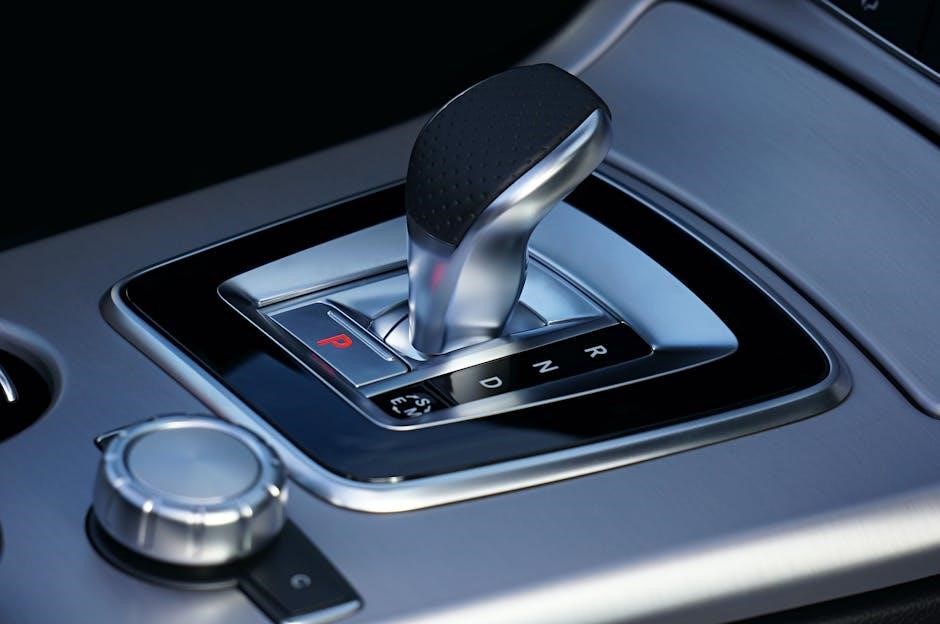
Consider the transmission’s condition; a rebuilt unit offers reliability. Associated components include the transmission mount, potentially requiring a new crossmember, and the driveshaft, which may need shortening or replacement to accommodate the manual transmission’s length. Finally, ensure you have the correct transmission fluid for optimal operation and longevity.
Pedal Assembly & Clutch System
A complete pedal assembly is essential, including the clutch pedal, as automatic vehicles lack this component. Sourcing a pedal assembly from a donor vehicle or purchasing a new aftermarket kit are viable options. The clutch master cylinder and slave cylinder are crucial for hydraulically actuating the clutch, requiring proper lines and fluid.
The clutch line routing must be carefully planned to avoid exhaust components or moving parts. Don’t overlook the brake pedal; sometimes, a different brake pedal is needed to provide adequate space for the clutch pedal. Proper adjustment of the clutch pedal free play is vital for smooth engagement and preventing premature wear. Ensure all connections are secure and leak-free before proceeding.
Wiring Harness & ECU Considerations
The wiring harness requires significant modification, as automatic and manual transmissions utilize different signals. Removing the automatic transmission wiring and integrating the manual transmission sensors, like the reverse switch, is necessary. The Engine Control Unit (ECU) often needs reprogramming or a standalone unit to eliminate automatic transmission control signals and potentially address speed sensor differences.
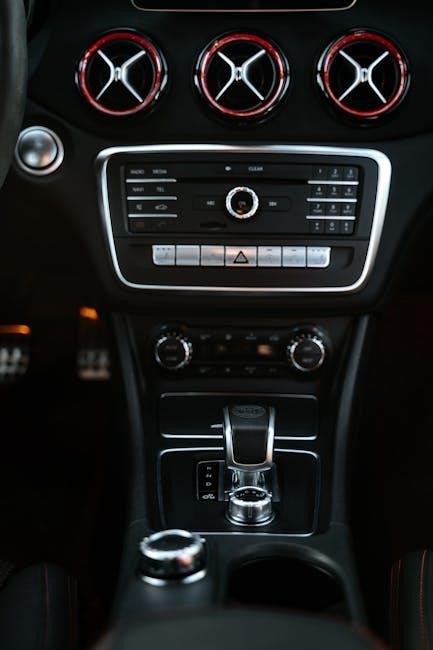
Some vehicles may require a full ECU swap to a manual transmission-compatible unit. Addressing the neutral safety switch is critical for starting the vehicle. Carefully trace and modify wiring diagrams to ensure proper functionality and avoid electrical issues. Ignoring these steps can lead to error codes, transmission malfunctions, or even a no-start condition.
Labor Costs: Professional vs. DIY
Professional installation of a manual transmission swap typically ranges from $2,000 to $6,000, with some shops quoting around $3,100, depending on the vehicle and shop rates. This cost encompasses the extensive labor involved in removing the automatic, installing the manual, modifying the wiring, and ECU adjustments. A complete swap can even reach $5,000, reflecting the complexity.
DIY installation significantly reduces labor costs, but requires substantial mechanical expertise, specialized tools, and time. While parts costs remain consistent, the value lies in avoiding hourly labor fees. However, mistakes can be costly, potentially exceeding professional rates if requiring rectification. Assessing your skill level honestly is crucial before attempting a DIY swap.
Tools Needed for a Manual Transmission Swap
Essential tools for a manual transmission swap include a comprehensive socket set, wrenches (metric and standard), torque wrench, and various screwdrivers. A floor jack and jack stands are critical for safely lifting and supporting the vehicle. Specialized tools like a transmission jack are highly recommended for handling the heavy transmissions.
Additional necessities encompass penetrating oil, a drain pan for fluids, and potentially a flywheel locking tool. Diagnostic tools, like an OBDII scanner, are needed for ECU adjustments. Depending on the vehicle, you might require a clutch alignment tool and potentially welding equipment for pedal modifications. Having a detailed repair manual specific to your vehicle is invaluable.
Difficulty Level: Assessing Your Mechanical Skills
A manual transmission swap is generally considered a challenging undertaking, best suited for experienced DIY mechanics. It’s significantly more complex than routine maintenance, demanding a strong understanding of automotive systems – including drivetrain, electrical, and hydraulic components. Prior experience with engine removal, clutch installation, and wiring modifications is crucial.
Beginners should avoid attempting this conversion without substantial guidance and assistance. The process involves intricate steps, potential for errors, and the risk of damaging vehicle components. Accurately assessing your mechanical aptitude and honestly evaluating your skillset is paramount before starting. If unsure, professional installation is strongly advised to ensure safety and proper functionality.
Potential Benefits of a Manual Transmission Swap

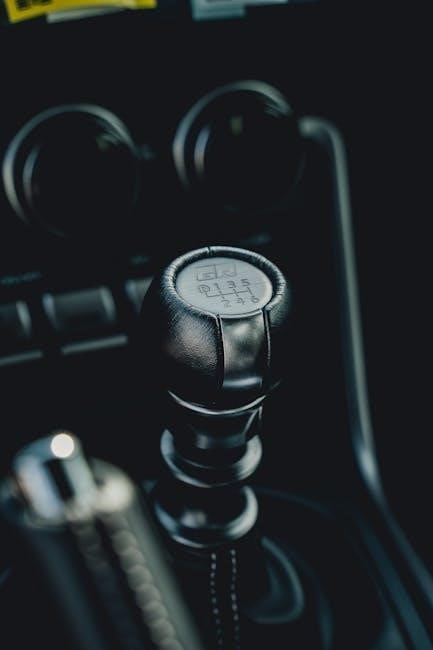
Switching to a manual transmission often enhances driver engagement and control, providing a more connected and immersive driving experience. Many enthusiasts prefer the direct feel and responsiveness of a manual gearbox, allowing for precise gear selection and greater command over the vehicle’s power.
Beyond the driving experience, a manual swap can potentially improve fuel efficiency, though the difference may be marginal in modern vehicles. It can also eliminate the complexities and potential failure points associated with automatic transmissions, potentially increasing long-term reliability. Furthermore, for some, a manual transmission simply adds to the vehicle’s desirability and resale value within specific automotive communities.
Potential Drawbacks & Considerations
Undertaking a manual transmission swap isn’t without its challenges. The process is inherently complex and time-consuming, demanding significant mechanical expertise or substantial professional labor costs, potentially reaching $3,100 or more. Compatibility issues can arise, requiring sourcing specific parts from donor vehicles or aftermarket suppliers.
Furthermore, daily driving comfort may be compromised, especially in congested traffic, as operating a manual transmission requires more driver effort. The modification could potentially affect the vehicle’s warranty and may have legal or insurance implications, requiring disclosure and potential adjustments. Finally, the overall cost, potentially exceeding $7,000, must be carefully weighed against the benefits.
Finding a Donor Vehicle or Parts
Sourcing the necessary components for a manual transmission swap often involves locating a donor vehicle or purchasing individual parts. Donor vehicles, ideally a model year matching yours with a manual transmission, provide a complete parts set – transmission, pedal assembly, clutch components, and potentially wiring harnesses. Online marketplaces and salvage yards are valuable resources for finding these vehicles.
Alternatively, individual parts can be purchased new or used from automotive suppliers and online retailers. This approach requires careful research to ensure compatibility and may involve a more piecemeal assembly. Consider the condition of used parts, as wear and tear can impact reliability. Thoroughly verifying part numbers and compatibility is crucial before making any purchases.
The Process: A Step-by-Step Overview
The conversion begins with safely removing the automatic transmission, disconnecting all associated linkages, cooling lines, and the driveshaft. Next, prepare for the manual transmission installation, which involves mounting the new transmission, connecting the driveshaft, and installing the clutch system. Simultaneously, the pedal assembly for a manual transmission must be installed, requiring modifications to the firewall if necessary.
Crucially, wiring harness modifications and ECU considerations are paramount. Adapting the wiring to accommodate the manual transmission’s sensors and potentially reprogramming the ECU are essential steps. Finally, thorough testing and adjustments are vital to ensure smooth operation and proper functionality of the newly installed manual transmission system.
Removing the Automatic Transmission
Initiating the removal requires safely lifting and securing the vehicle, then disconnecting the driveshaft, shift linkage, and all electrical connections to the automatic transmission. Drain the transmission fluid completely before disconnecting the cooling lines, taking precautions to avoid spills. Support the engine from above to prevent it from tilting when the transmission is removed.
Subsequently, unbolt the transmission from the engine, carefully lowering it using a transmission jack. This step demands patience and attention to detail to avoid damaging surrounding components. Once clear, inspect the flexplate for any damage and prepare the bellhousing area for the manual transmission installation. Proper labeling of disconnected parts is crucial for reassembly.
Installing the Manual Transmission
Begin by carefully aligning the manual transmission with the engine, utilizing a transmission jack for controlled lifting and positioning. Ensure the pilot bearing is correctly seated in the crankshaft before gently pushing the transmission into the bellhousing. Secure the transmission with the appropriate bolts, tightening them to the manufacturer’s specified torque.
Next, install the clutch disc and pressure plate, ensuring proper alignment with the pilot bearing. Connect the clutch hydraulic lines or cable, and verify proper operation. Reinstall the driveshaft, shift linkage, and any other components removed during the automatic transmission removal process. Double-check all connections before proceeding.
Wiring and ECU Modifications
The conversion necessitates addressing the wiring harness differences between automatic and manual systems. Remove any wiring related to the automatic transmission’s controls, such as the gear selector and torque converter lockup. Integrate the wiring for the manual transmission’s components, including the clutch switch and reverse light switch.
ECU recalibration is often crucial, as the engine control unit needs to be informed of the manual transmission. This may involve flashing a new tune or utilizing a standalone ECU. Failure to address ECU modifications can result in incorrect engine operation or warning lights. Proper wiring and ECU adjustments are vital for a functional and reliable manual swap.
Common Problems Encountered During a Swap
During a manual transmission swap, several issues frequently arise. Incorrect wiring or ECU tuning can lead to the check engine light illuminating or poor engine performance. Clutch master cylinder leaks or improper clutch adjustment can cause difficulty shifting or clutch slippage. Compatibility issues between the donor transmission and the vehicle’s driveshaft or differential may necessitate modifications.

Furthermore, stripped bolts during removal, difficulty finding correct parts, and unforeseen issues with the pedal assembly are common. Thoroughly researching potential problems and having a contingency plan is essential. Addressing these challenges promptly ensures a smoother and more successful conversion process.
Legal and Insurance Implications
Modifying a vehicle with a manual transmission swap can have legal and insurance ramifications. Some jurisdictions require inspections to verify the modification meets safety standards, potentially involving emissions testing or drivetrain checks. Failing to comply could result in fines or the inability to register the vehicle.
Regarding insurance, it’s crucial to inform your provider about the swap. They may reassess the vehicle’s value and adjust premiums, potentially increasing them due to the perceived performance enhancement. Non-disclosure could invalidate your coverage in case of an accident. Always verify local laws and insurance policies before undertaking the conversion.
Alternatives to a Full Swap
Considering the complexity and cost of a full automatic-to-manual transmission swap, several alternatives exist. One option is simply purchasing a vehicle already equipped with a manual transmission, potentially saving significant time and money. Another approach involves upgrading or rebuilding the existing automatic transmission, addressing its issues without a complete overhaul.
For some vehicles, performance-enhancing modifications to the automatic transmission, like shift kits or upgraded torque converters, can improve driving experience without the drastic change of a manual swap. Ultimately, evaluating these alternatives against the desired outcome and budget is essential before committing to a potentially extensive and expensive conversion.
Resources for Manual Swap Information & Support
Embarking on a manual swap requires extensive research and support. Online forums dedicated to specific vehicle makes and models are invaluable, offering detailed guides, troubleshooting advice, and shared experiences from those who’ve completed similar conversions. YouTube channels, like ChannelRM3, provide visual walkthroughs and insights into the process, demonstrating the intricacies involved.
Vehicle-specific Facebook groups and online communities foster collaboration and knowledge sharing. Don’t hesitate to consult with experienced mechanics specializing in manual transmissions for expert guidance. Websites offering parts and conversion kits often include technical documentation and support resources. Thorough preparation and utilizing these resources are crucial for a successful swap.
Long-Term Maintenance After the Swap
Post-swap maintenance demands diligent attention to ensure longevity and optimal performance. Regularly inspect the clutch for wear and adjust as needed, monitoring for slippage or unusual noises. Transmission fluid changes are crucial, adhering to the manufacturer’s recommended intervals for manual transmissions. Inspect shift linkage for looseness and ensure precise gear engagement.
Pay close attention to the clutch master and slave cylinders, checking for leaks and proper operation. Periodic inspections of the driveshaft and related components are essential. Be mindful of any new vibrations or sounds, addressing them promptly. Maintaining a proactive maintenance schedule will safeguard your investment and provide years of enjoyable manual driving.